BioRevolution #13 - Bio-based Fashion
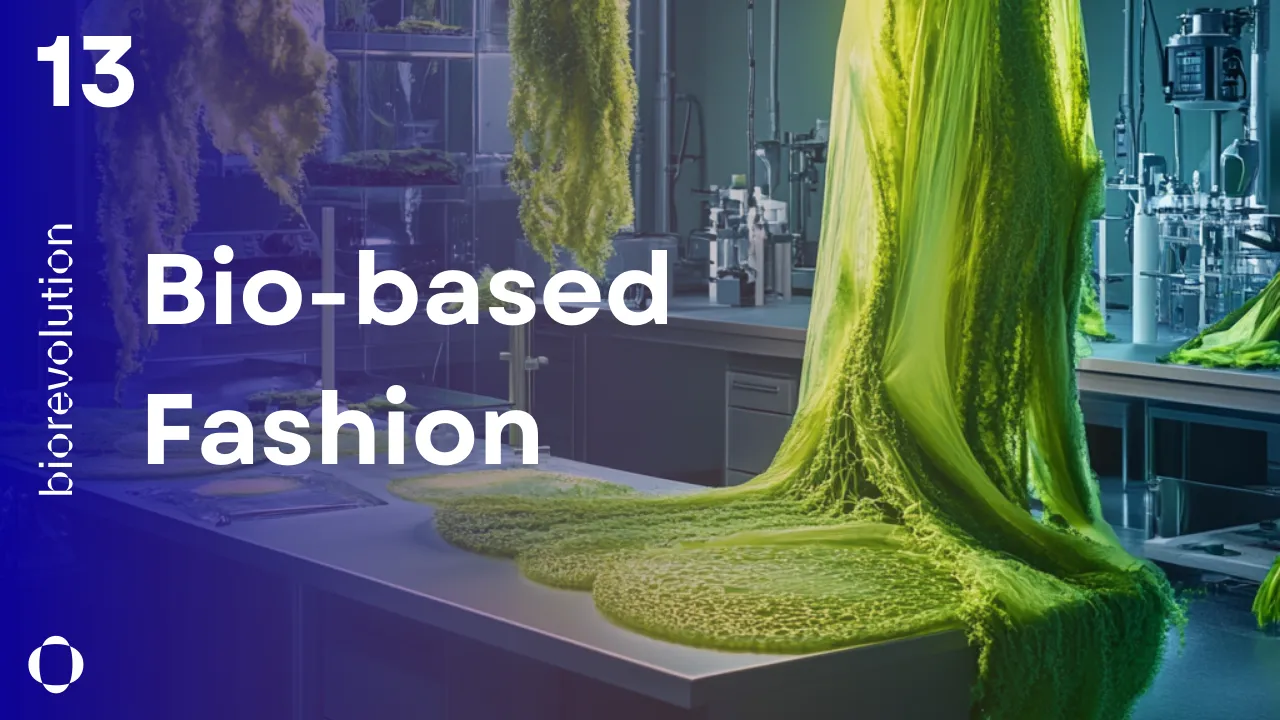
Once again, I bring you a mind-boggling topic that makes us all think, “Wow, what is happening in the world?” Those who follow this newsletter know how enthusiastic I am about the impact of biotechnology across various sectors. This topic, too, beautifully exemplifies that transformative potential. Fashion, a medium for self-expression that captivates millions worldwide, has unfortunately evolved over time into an industry causing extensive harm to the environment and human rights.
Take the example of denim: producing just one pair of jeans consumes about 3,000 liters of water and 2 kilograms of chemicals. Moreover, the fashion industry ranks as the second-largest global polluter, right after the oil industry. Fashion production is responsible for approximately 10% of global carbon emissions—more than all international flights and maritime shipping combined. The industry is also the second-largest consumer of water, generating 20% of global wastewater. Shockingly, up to 85% of textiles—equivalent to 21 billion tons—end up in landfills annually. Synthetic fabrics release about 500,000 tons of microfibers into the ocean each year, equivalent to dumping 50 billion plastic bottles, while textile dyeing alone contributes to 20% of global industrial water pollution.
The solution to these environmental challenges lies, once again, in biotechnology. My fascination with bio-based fashion grows daily, and organizing a bio-based fashion show has become one of my dreams. 💭
Scientific Perspective
Bio-based fashion refers to the use of renewable, biological materials—like plant fibers, fungi, or even food waste—to create eco-friendly clothing and accessories. Unlike traditional fashion materials, which often rely on fossil fuels, bio-based textiles come from sustainable resources that can biodegrade or be recycled at the end of their life. This approach prioritizes circular design, where materials are chosen with their entire lifecycle in mind, aiming to minimize environmental impact through sustainable sourcing, production, and disposal. Bio-based fashion not only reduces pollution but also explores innovative materials, like mushroom leather and algae fibers, which mimic traditional textiles. By embracing renewable resources and regenerative practices, bio-based fashion seeks to align the industry more closely with nature’s cycles, paving the way for a more sustainable future. […] […]
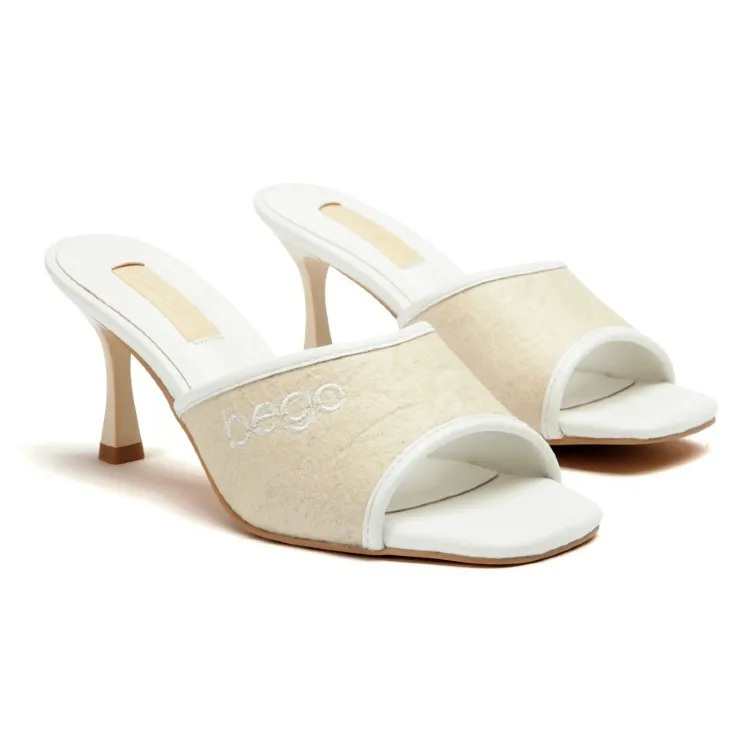
The process of sourcing biobased materials from nature and making them suitable for the fashion industry requires a multi-stage and meticulously conducted workflow. This journey includes obtaining materials from renewable biological sources, processing them in laboratories, testing properties like durability and aesthetics, and finally adapting them for fashion design. Below is a detailed exploration of each critical stage in this process. […]
1. Sourcing Materials from Natural Resources
Biobased fashion materials are derived from renewable biological sources, including plants, fungi, and in some cases, food waste. For instance, biodegradable leather-like materials can be produced using mushroom mycelium (fungus roots), while fibers extracted from pineapple leaves are transformed into biobased fabrics. In this stage, sustainability criteria such as environmental impact, water, and energy usage are key considerations.
Creating Fabrics from Food Waste: One notable innovation in biobased fashion is the transformation of food waste into textiles. Food scraps, such as orange peels and coffee grounds, are converted into textured materials through biotechnological processes, reducing waste and creating sustainable resources in the process.
2. Material Processing and Development in the Laboratory
For natural materials to be suitable for the fashion industry, they must be processed through biotechnological techniques. These laboratory processes enhance the materials’ longevity and aesthetic appeal:
- Polymer Modifications: The polymer structures of biobased materials are modified to enhance durability. This is especially critical in bioplastics or bio-based polymers, where flexibility and durability are essential.
- Texture and Flexibility Improvements: The material is developed to be soft, flexible, and aesthetically pleasing, making it attractive for fashion applications. For example, algae fibers are processed mechanically to be spun into yarn, preparing them for use in biotextile applications.
3. Testing Critical Properties for Fashion Applications
For biobased materials to be integrated into fashion design, properties like durability, aesthetics, and softness must be thoroughly tested:
- Durability Tests: In a lab setting, the material is tested for durability against tearing, abrasion, and tension. These tests ensure biobased materials can withstand prolonged use in the clothing industry.
- Biodegradability Tests: To prove environmental compatibility, biobased materials undergo biodegradability tests. These tests measure how quickly a material decomposes in natural environments or through industrial composting processes.
- Color Fastness and Aesthetic Tests: Biobased fabrics are evaluated for color retention and dyeing capability to ensure they meet the aesthetic standards required for fashion designs.

4. Adaptation and Integration into Fashion Industry Design Processes
For biobased materials to be widely used in the fashion industry, they must be adapted to the design process. Fashion designers and biotextile developers collaborate to integrate these innovative materials into the sector.
- Prototype Production and Trials: Biobased materials are tested at the prototype stage to evaluate their functionality and aesthetic appeal.
- Versatility and Multifunctionality in Design: Flexibility, multifunctionality, and modularity are essential features when adapting biobased materials to fashion. Beyond meeting aesthetic expectations, designs are developed to support long-term use and enhanced user experience.

5. Environmental Impact Minimization through Testing and Application
Environmental impact analyses are essential to ensuring biobased materials meet sustainability claims. Criteria such as water consumption, carbon footprint, and biological compatibility support the material’s positioning as a sustainable alternative in fashion.
- Carbon Footprint and Energy Usage Tests: Minimum carbon footprint and energy consumption are prioritized in production processes. These analyses help to minimize the negative environmental impact of biobased materials on biological ecosystems.
- Circularity and Reuse Practices: Circular economy principles are crucial in biobased fashion. Designs are developed with recyclability and reusability in mind, promoting biobased materials as integral to a sustainable, circular fashion philosophy.

🪄Documentary Suggestion
SLAY is a feature length documentary following investigative filmmaker Rebecca Cappelli as she travels around the world to uncover the dark side of the fashion industry.
Market Perspective
The global fashion industry is a substantial economic force, with the apparel market alone valued at approximately USD 1.71 trillion in 2023. This sector is projected to experience a compound annual growth rate (CAGR) of 4.1% from 2024 to 2030. […]
Within this expansive market, bio-based fashion—a segment focusing on sustainable materials derived from biological sources—is gaining momentum. A notable example is the bio-based leather market, which was valued at USD 666.9 million in 2022 and is anticipated to grow at a CAGR of over 6.6% from 2023 to 2032. This growth reflects a broader consumer shift towards eco-friendly and sustainable fashion choices. […]
While bio-based fashion currently represents a smaller portion of the overall fashion industry, its rapid expansion underscores a significant trend towards sustainability. As consumer awareness and demand for environmentally responsible products increase, the bio-based fashion market is expected to continue its upward trajectory, contributing to a more sustainable future for the fashion industry.
Startup Ecosystem:
San Francisco based company
Founded in 2020
GOZEN utilizes microorganisms and organic waste to develop fully biodegradable, biocompatible, and non-toxic alternatives to traditional materials. A notable achievement is their collaboration with BALENCIAGA , where their innovative material, LUNAFORM™, was featured in the brand’s Summer 2024 collection during Paris Fashion Week.
**In October 2023, Gözen secured $3.3 million in seed funding to advance its sustainable biomaterials. The investment was led by Happiness Capital | Certified B Corp , with participation from AccelR8 Ventures , Astor Investment Management LLC , and SOSV .

2. Keel Labs
Morrisville, North Carolina based company
Founded in 2017
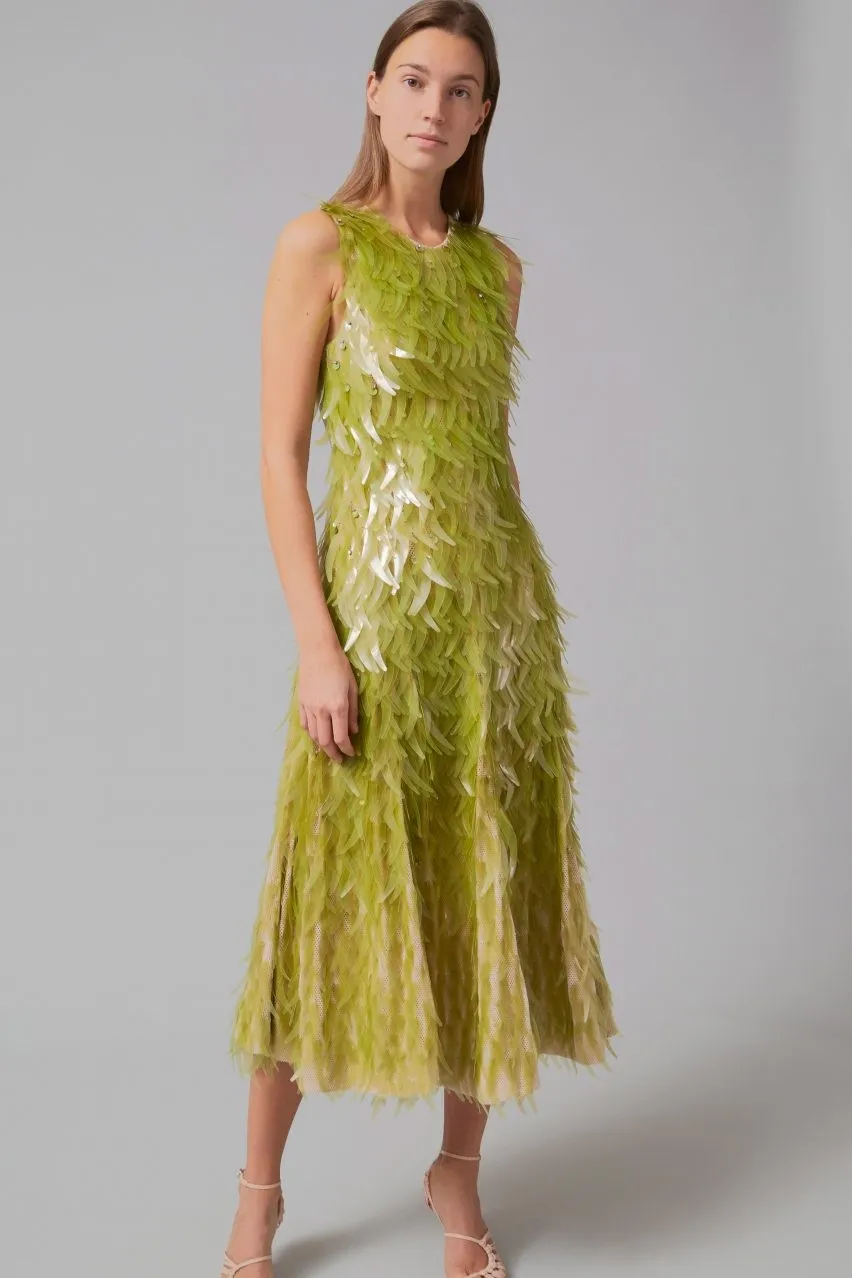
Keel Labs is a sustainable materials company specializing in seaweed-based textiles. Their flagship product, Kelsun™ fiber, is derived from seaweed biopolymers and offers a significantly lower environmental footprint compared to conventional fibers. In September 2024, Keel Labs partnered with Outerknown to launch a limited-edition garment featuring Kelsun™ fiber, marking a significant milestone in sustainable fiber production.
**In June 2022, Keel Labs secured $13 million in Series A funding to advance its seaweed-based textile innovations. This round was led by Collaborative Fund , with participation from Starlight Ventures , Third Nature Investments , H&M CO, SOSV , and Horizons Ventures . The investment aims to scale the production of Kelsun™ yarn, a sustainable alternative to conventional fibers, and to reduce the textile industry’s carbon footprint.
New Jersey based company
Founded in 2011
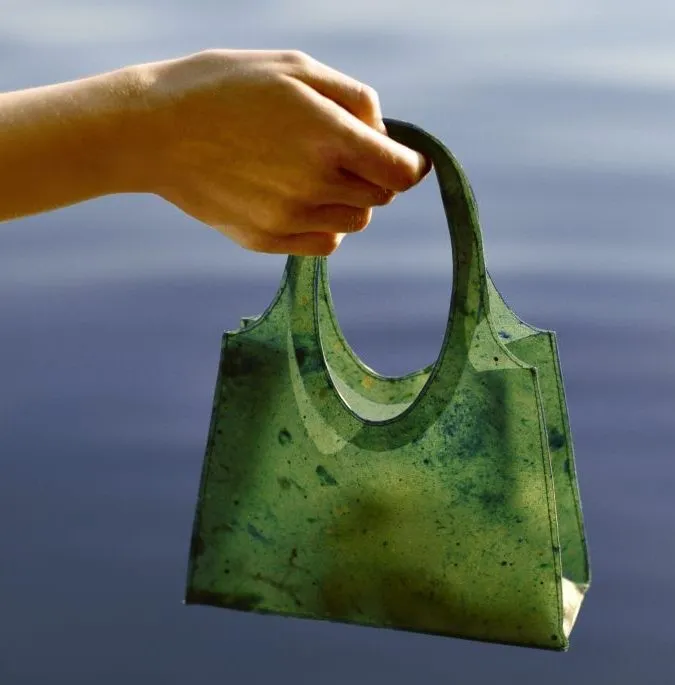
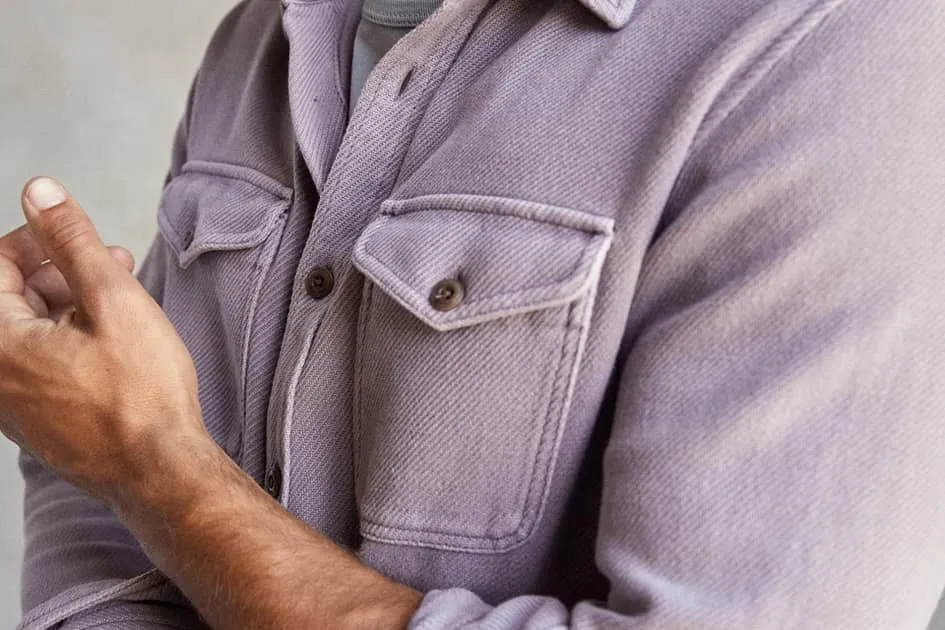
Modern Meadow’s proprietary biofabrication platform focuses on creating bio-based materials that reduce reliance on petrochemicals and animal-derived inputs. In September 2024, Modern Meadow collaborated with Maison Maes to develop the M1_06 Biofabbrica handbag, utilizing their Bio-Tex™ material—a durable, leather-like alternative engineered from plant-based proteins and biopolymers.
**In April 2021, Modern Meadow secured $130 million in Series C funding, bringing its total funding to approximately $184 million. This investment was led by Key Partners Capital , with participation from Astanor Ventures, Horizons Ventures , and Cape Capital .

London based company
Founded in 2019
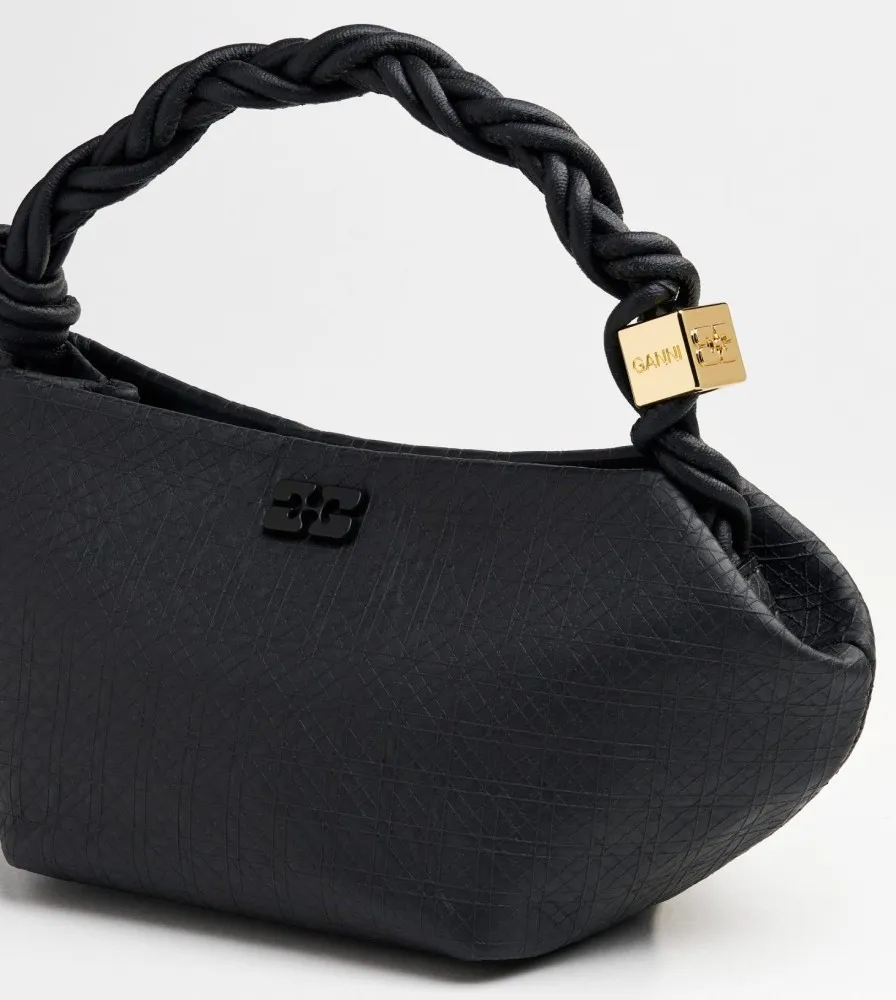
Modern Synthesis’s innovative “microbial weaving” process utilizes bacteria to produce strong, lightweight, and biodegradable cellulose-based materials. In September 2023, they collaborated with GANNI to unveil a unique version of the Bou Bag made from bacterial nanocellulose, demonstrating the practical application of their materials in high-fashion products.
**In June 2022, Modern Synthesis secured $4.1 million in seed funding to advance its microbial textile platform. This investment was led by AgFunder and included participation from Collaborative Fund , Acequia Capital , Petri Bio , Ponderosa Ventures , Possible Ventures , IMO Ventures , Taihill Venture , Parley for the Oceans , Climate Capital Collective, and former Jimmy Choo CEO Pierre DENIS .
5. TômTex Inc.
New York based company
Founded in 2020
TômTex is a pioneering biomaterials company specializing in sustainable alternatives to traditional textiles. Their innovative products are crafted from 100% bio-based and biodegradable materials derived from seafood shells and mushroom waste, offering eco-friendly options for industries such as fashion, automotive, and consumer goods. Notably, TômTex collaborated with designer Peter Do during New York Fashion Week in September 2022, showcasing the versatility and high-fashion potential of their materials.
**November 2023, TômTex secured $4.15 million in seed funding, led by Happiness Capital | Certified B Corp , to enhance manufacturing capabilities and expand their team.

🪄Short Film Suggestion
Willow and Claude is a short film which follows Collective Fashion Justice’s founding director, Emma Hakansson, along her search for a total ethics knitwear supply chain.
Future Perspective
Recently, I attended a workshop by an author who specializes in imagination-focused books. The theme was “What if?” Now, I’d like to present this question to you with a similar approach. From a realistic perspective, we’re all aware of the animal-based fashion industry’s vast scale and its dangerous, often ruthless pathways. It’s hard to imagine that such a massive industry would easily surrender its dominance to a handful of plant-based, bio-derived products without resistance. It’s clear that achieving this will require considerable effort. So, I invite you to think along the lines of “what if.” What if we lived in a world where animals were no longer killed just to be worn? Wouldn’t it be easier to protect biodiversity and elevate the quality of life? I’ll leave that question with you to ponder.
On another note, as we consider the future of the bio-based fashion sector, it’s clear that ongoing technological advancements will lead to increasingly innovative and high-performance fabrics.
We need to pay closer attention to these important items that touch our skin and stay with us all day. We wash them, wear them, take them out into the world, and even sleep in them. Shouldn’t we be more mindful of these items that share our most intimate moments? Perhaps we could even develop forms of bio-based fashion that benefit our skin health.
Lastly, the interactions these materials have with our body’s natural fluids must be carefully considered. Neglecting these aspects could pose risks to the beautiful vision we’re aiming to build. I trust that this vital attention to detail will be upheld as we move forward.
📰 SUBSCRIBE TO MY LINKEDIN NEWSLETTER
If you liked this newsletter article, I hope you’ll consider being a regular subscriber. 🙏
Just scroll up to the very top and click that SUBSCRIBE button.
Originally published on LinkedIn.